
The YOUNTVILLE MOON
Articles & Essays
VOLUME 1, 2026Our goal is to provide the information residents need to think for themselves, understand the tradeoffs, and ask better questions of the people they elected to govern this town.
The Price of Planning Ahead
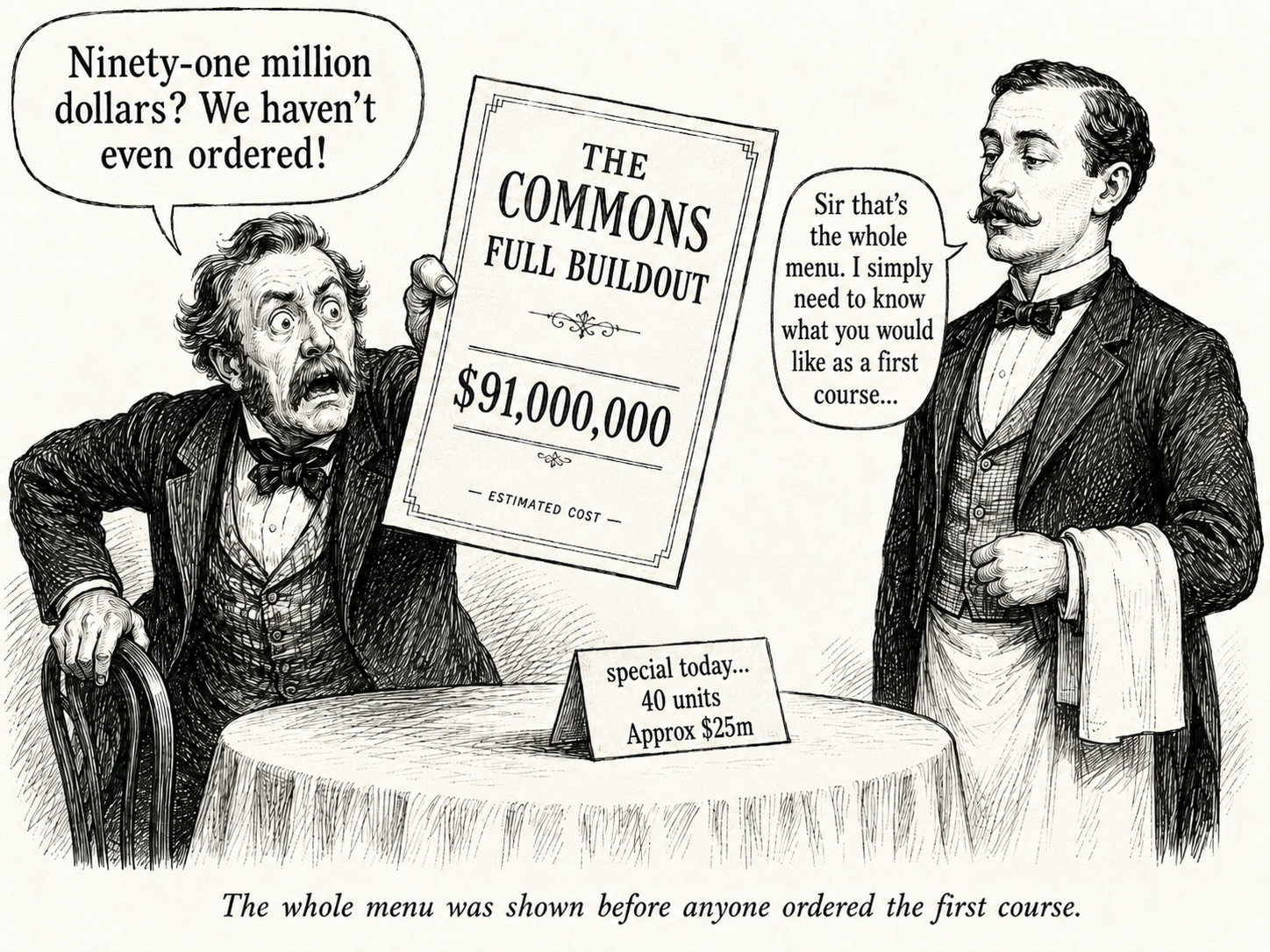
For many residents, the Commons debate came down to one number: roughly $91 million. That number sounded enormous because it was enormous. But it was not a construction contract, a check the Town was preparing to write, or a decision to build the entire Commons at once. It was an estimate of what the full seven-acre site might cost if, over many years and with future partners, the Town eventually built out the complete civic and housing framework it had studied.
The more immediate question was smaller and more practical: could Yountville build a first phase of about 40 homes, at roughly $25 million, while preserving the option to do more later? The Town was trying to understand the whole menu before deciding what it could afford to order first. The repeal mistook that menu for the bill, and in doing so, narrowed the clearest path forward.
It Was Never Just a Housing Project
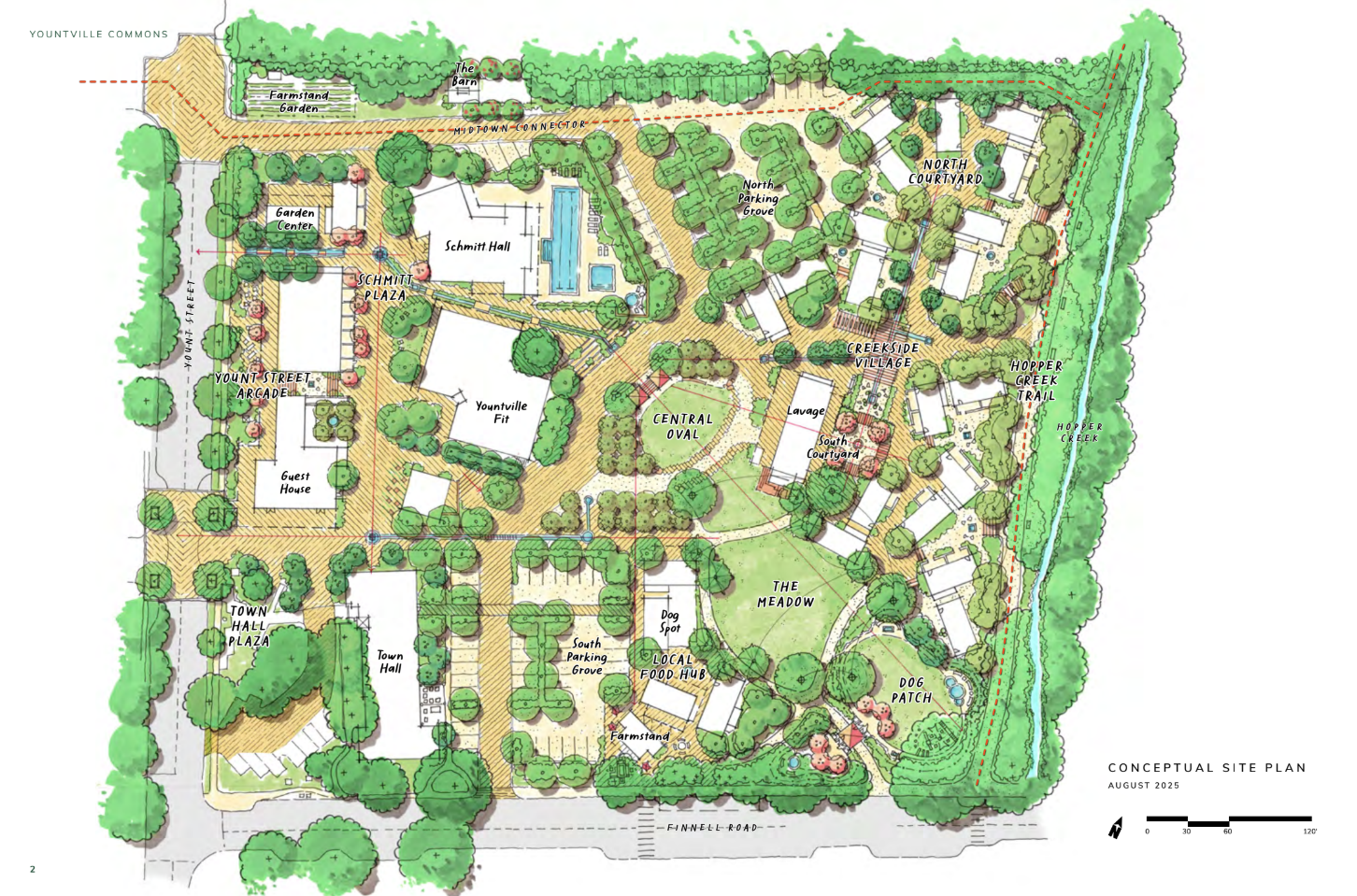
The first mistake in understanding Yountville Commons is to begin with the housing. The old school site was not purchased to become a project. It was purchased to become public again. Before the debate narrowed to unit counts, price tags, and zoning fights, the fences came down. The former library became Yountville Fit. The cafeteria became Schmitt Hall. A disused field became the town’s first dog park. The snack shack became a farmstand café. The garden came back to life.
Those were not side benefits. They were the beginning of the idea. Yountville Commons was never merely a housing proposal. It was a civic reclamation project: an attempt to return a closed school campus to common life, while also making room for some of the people who keep Yountville running.
The Question I Cannot Stop Asking
The town slowly filled with second homes and wealthy visitors who now, in turn, pay the taxes that fund the majority of costs to keep Yountville charming, peaceful, and, on the surface, unchanged. Who would ever make that trade, the comforts for what a preserved town looks like in exchange to keep the vast majority of the labor who keep the town functioning many miles away?
The Town That Misplaced Its Children
Yountville did not lose its children all at once.
It lost them slowly, through decisions that seemed reasonable at the time. Protect the vineyards. Limit growth. Preserve the small-town character. Build the visitor economy. Let the market handle the rest.
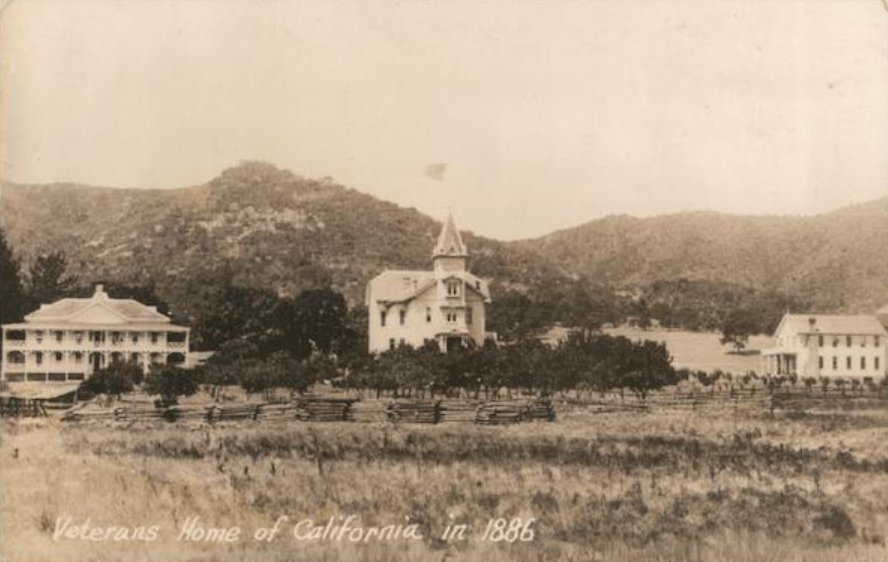
For a while, the bargain looked like success. The town became beautiful, prosperous, and protected. But the families who once filled the school became harder to find. The workers who kept the town running drove in from somewhere else. The old elementary school, open for more than 125 years, closed in 2020.
That closure was not just a school district story. It was a civic warning light.
Chapter Zero begins there, before the arguments over units, parking, density, and process. It asks the question beneath all the others: what does it mean for a town to preserve itself so carefully that it no longer makes room for the next generation?
Where the Workers Were Counted
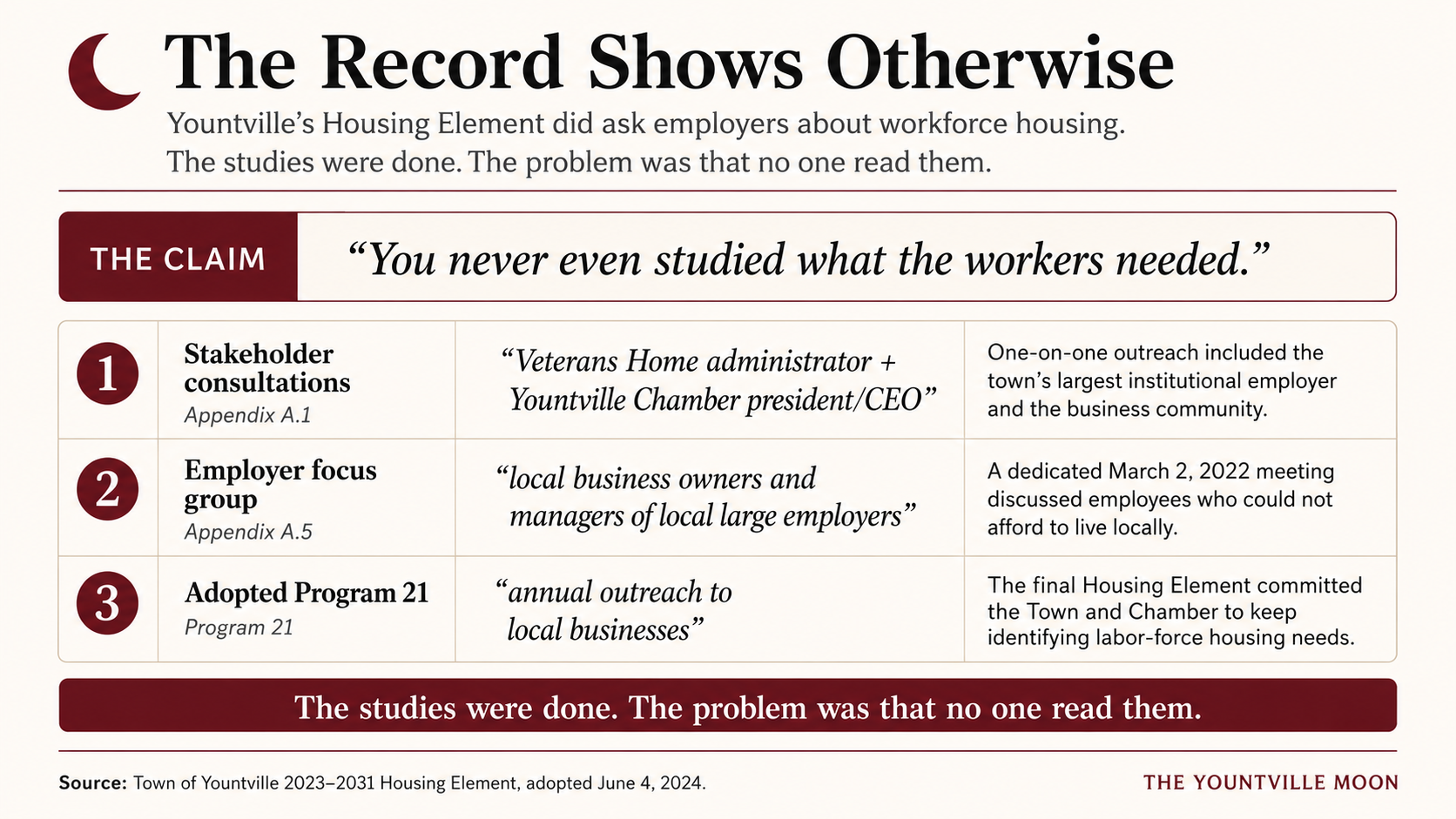
A claim has been moving around town: that no one ever studied what Yountville’s workers actually needed.
It is a useful claim because it sounds simple. It gives people permission to dismiss the whole housing conversation as rushed, vague, or invented.
But the claim falls apart the moment you open the public record.
The workers were counted in the Housing Element. Their commute patterns were counted. Their wages were measured against local rents. Large employers were consulted. Business owners and managers sat in a focus group. The Chamber was named as a partner for continued outreach. The documents do not hide this. They say it plainly.
The problem was not that the studies were never done.
The problem was that too many people formed opinions without reading them.
This essay is a guide to the record: where the workers were counted, what the Town was told, and why the evidence still matters now.
The Fragile State of Yountville’s Workforce Housing
Eighty-two percent of the people who work in Yountville do not live in Yountville. The Town’s own Housing Element documents the figure. It has not improved in any recent decade.
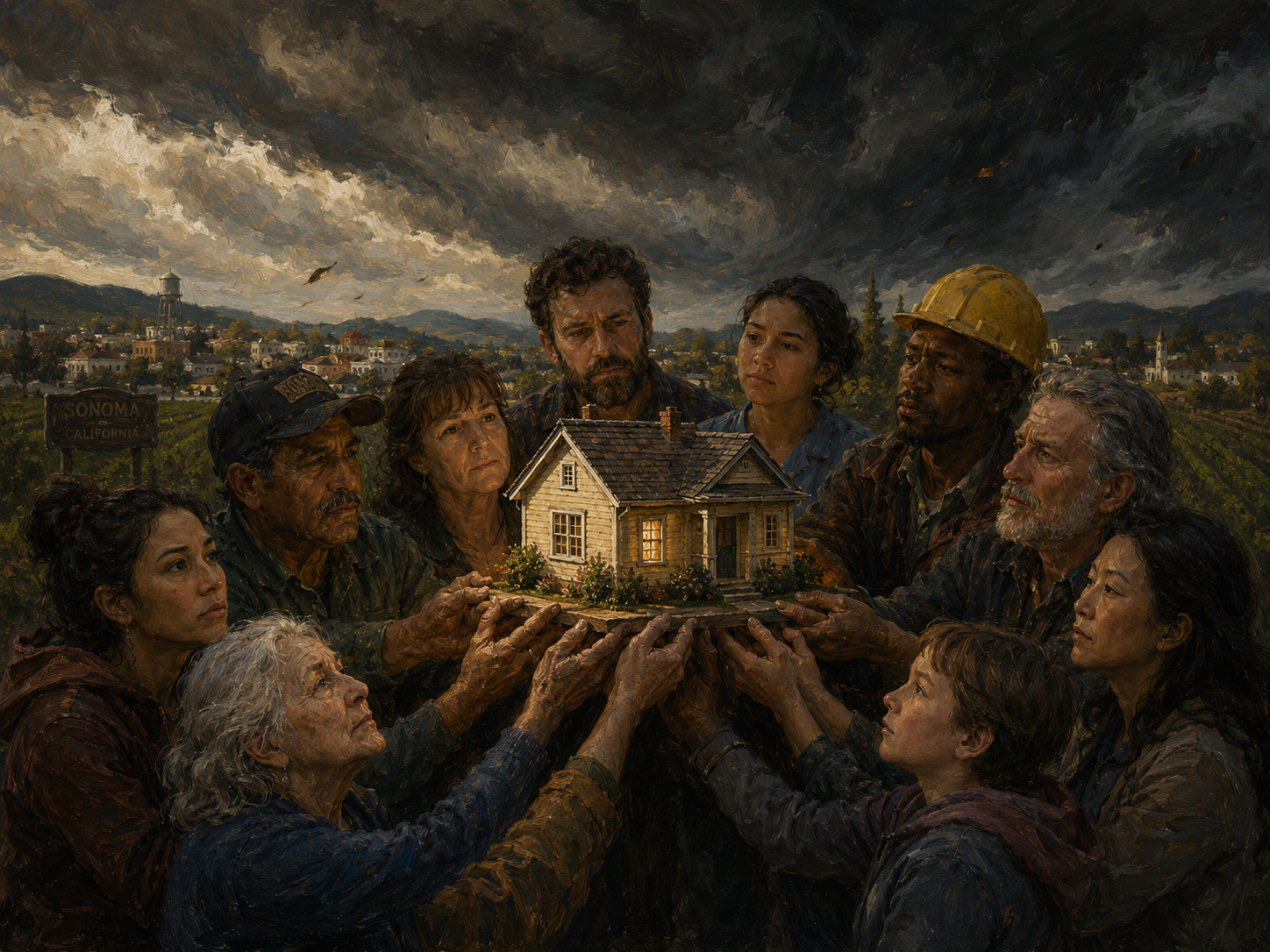
That single number is the starting point for the essay because it exposes the basic contradiction at the heart of Yountville’s economy. The town depends every day on workers who clean hotel rooms, cook meals, care for seniors, pour wine, maintain streets, staff shops, tend gardens, and keep civic life functioning. But the vast majority of those workers cannot afford to live in the place their labor sustains.
The article follows that contradiction through the actual housing math. It compares wages, rents, utilities, income bands, unit sizes, and Yountville’s existing deed-restricted housing inventory. What emerges is not a vague affordability problem, but a precise structural failure: the town has some affordable housing, but too little of it, too much of it aimed at the wrong income tiers, and almost none of the small studio housing that would match the needs of the entry-level workforce.
The essay argues that this condition did not happen by accident. It is the cumulative result of decades of defensible choices: preserving town character, limiting growth, protecting scarcity, and relying on private development agreements to produce workforce housing at the margins. Those choices helped make Yountville beautiful and valuable. They also helped produce a town where the people who keep the place running mostly have to live somewhere else.
At its core, the piece asks readers to look past impressions and confront the math. Before Yountville can debate any proposed solution honestly, it has to acknowledge the problem clearly: workforce housing is not a favor to outsiders. It is part of the civic infrastructure of the town itself.
The Story the Local Press Missed
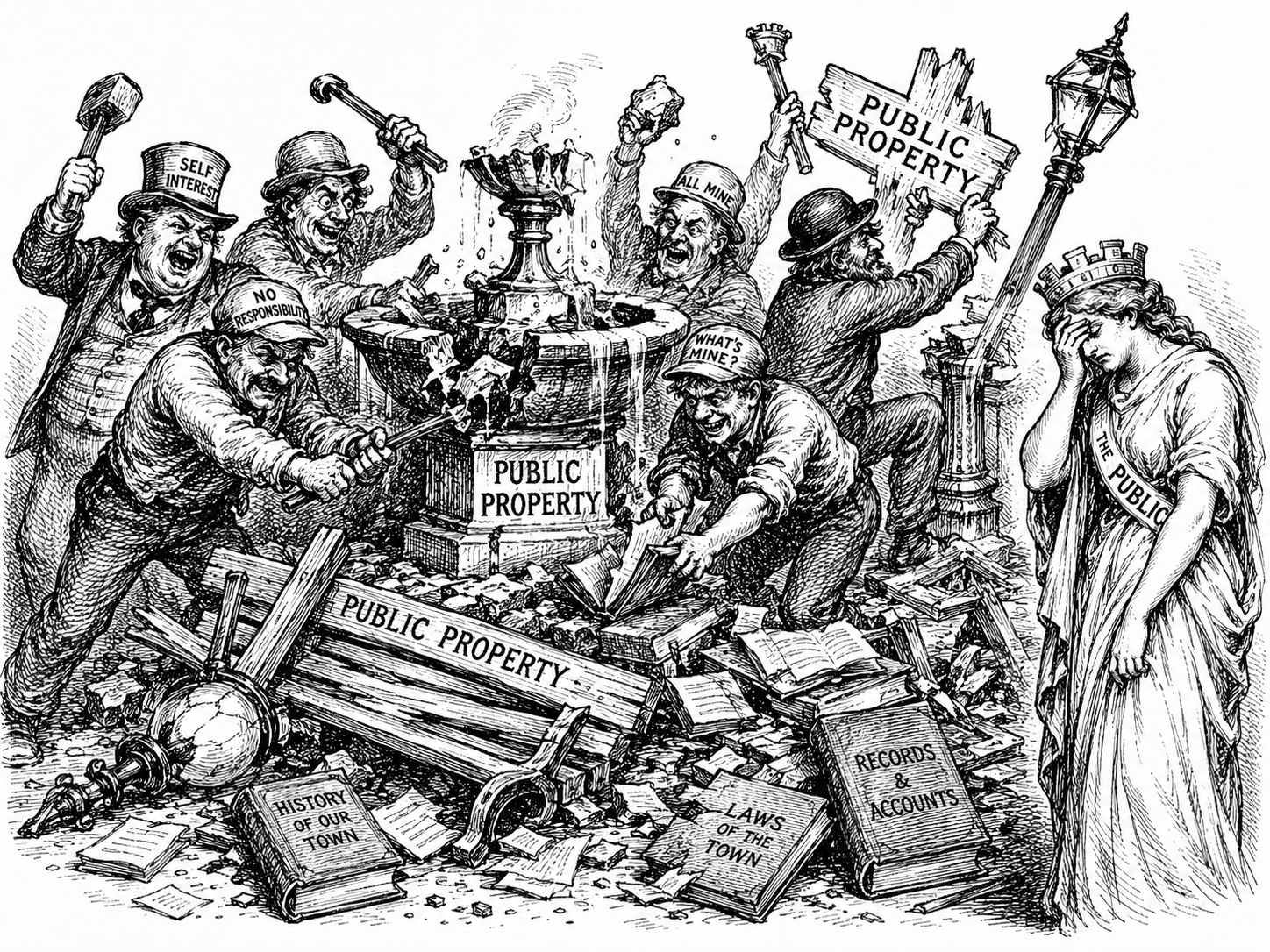
The problem with the recent Napa Register story on Yountville Commons (and the Press Democrat story) is not that they got the meeting wrong. The Yountville Town Council did vote to begin repealing the Commons zoning ordinance. That repeal followed a referendum petition. Council members spent the discussion calling for more information, more outreach, more time, and more clarity.
All of that is accurate.
None of it explains what happened.
The Scarcity Yountville Built
Small towns do not run into trouble because too many kinds of people want to live there. They run into trouble when they allow too few kinds of homes for all those people to fit.
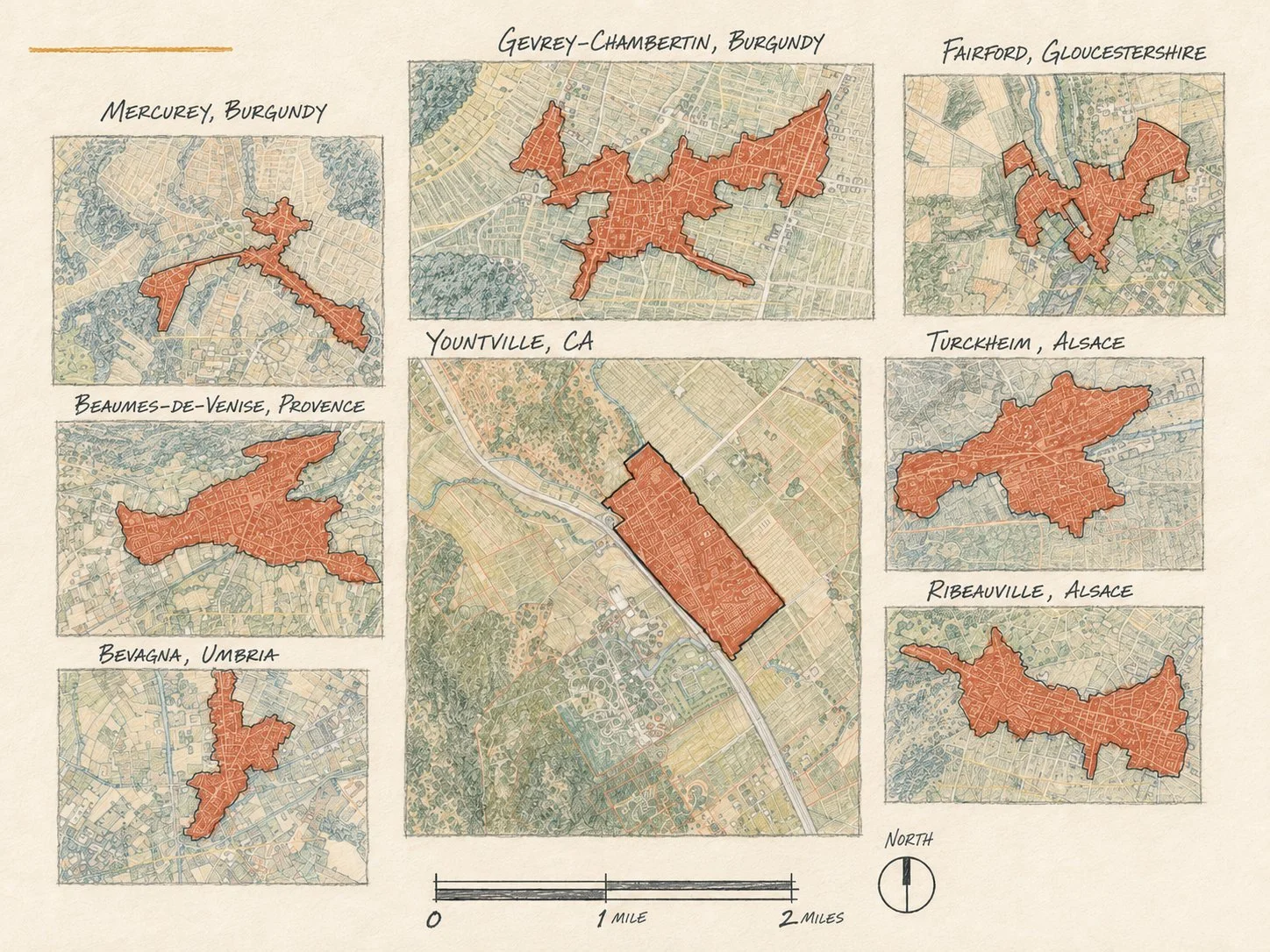
Preserved in Amber
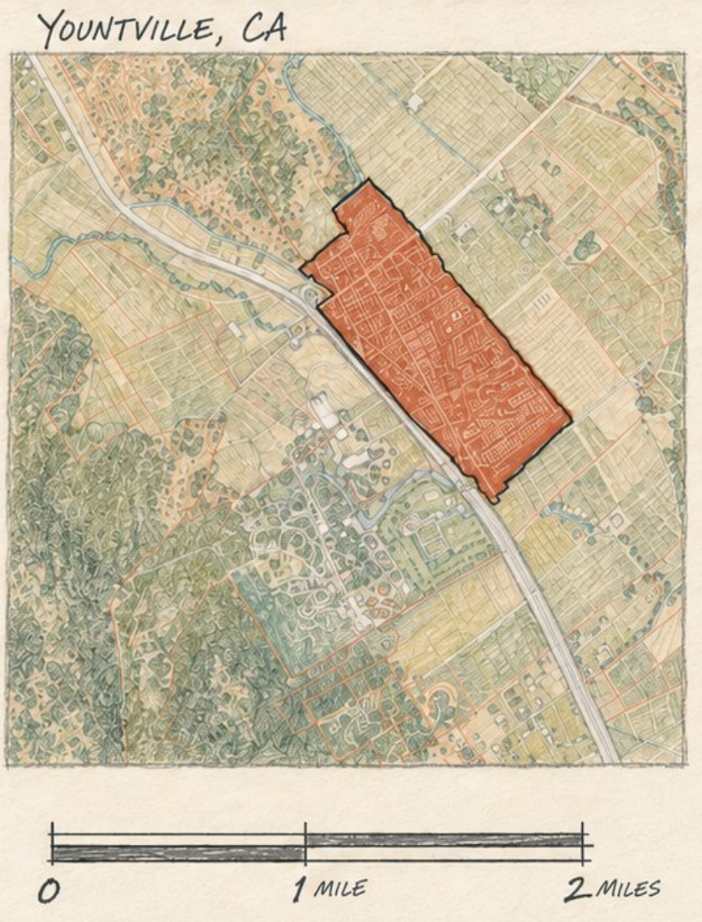
Eight towns embedded in long-protected agricultural landscapes, drawn at the same scale. The one with the most land holds the fewest people.