
The YOUNTVILLE MOON
Articles & Essays
VOLUME 1, 2026Our goal is to provide the information residents need to think for themselves, understand the tradeoffs, and ask better questions of the people they elected to govern this town.
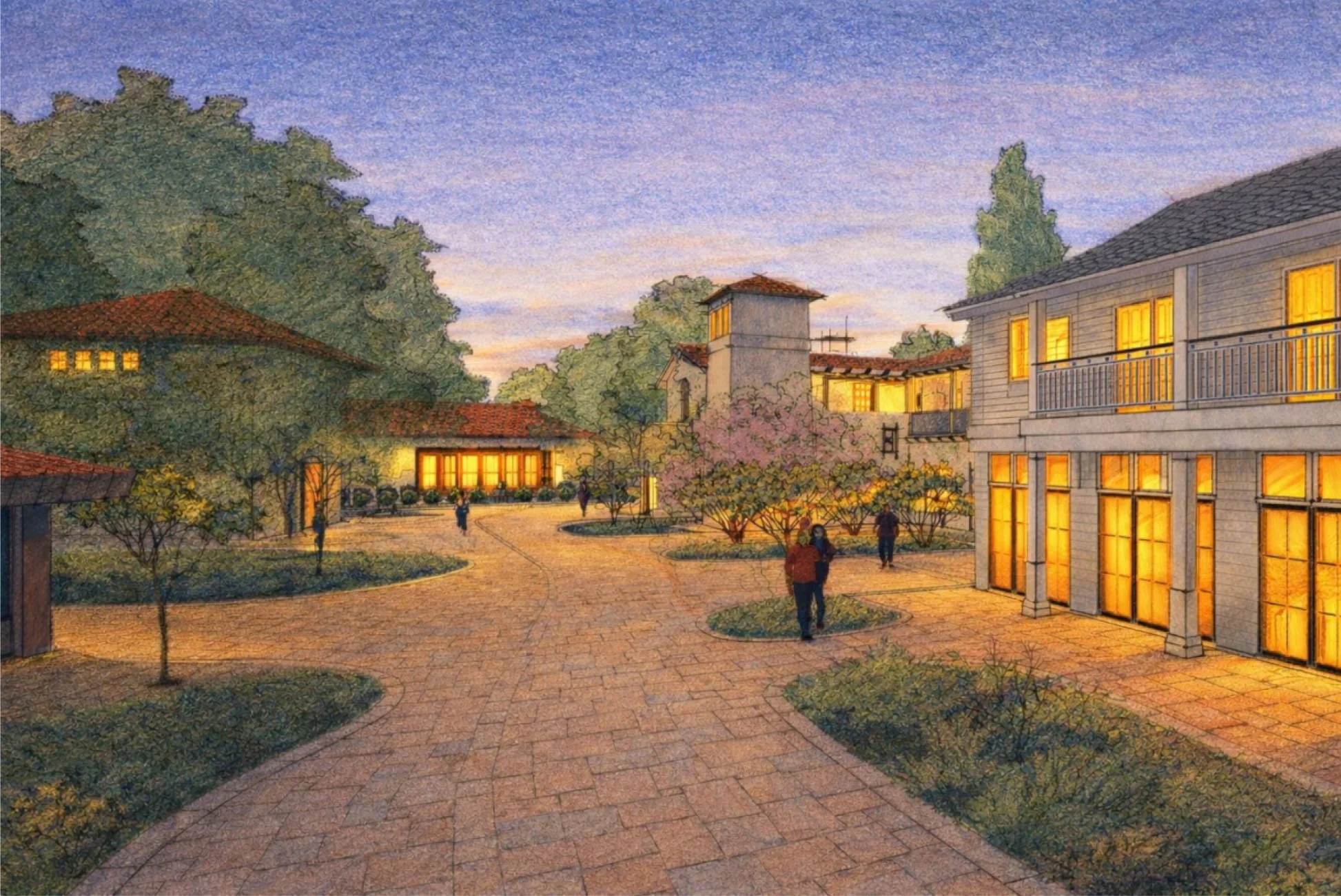
The Question I Cannot Stop Asking
The town slowly filled with second homes and wealthy visitors who now, in turn, pay the taxes that fund the majority of costs to keep Yountville charming, peaceful, and, on the surface, unchanged. Who would ever make that trade, the comforts for what a preserved town looks like in exchange to keep the vast majority of the labor who keep the town functioning many miles away?
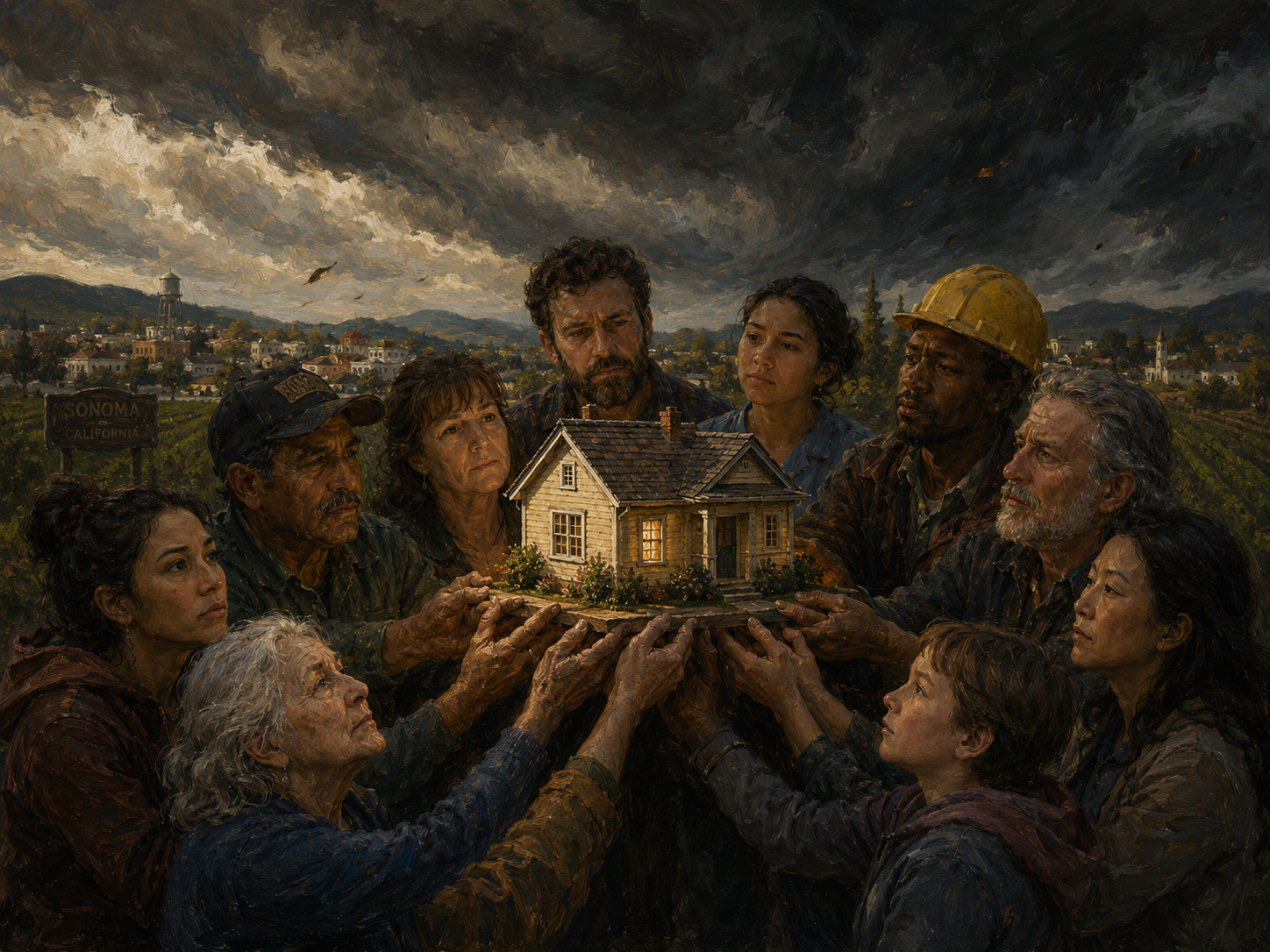
The Fragile State of Yountville’s Workforce Housing
Eighty-two percent of the people who work in Yountville do not live in Yountville. The Town’s own Housing Element documents the figure. It has not improved in any recent decade.
That single number is the starting point for the essay because it exposes the basic contradiction at the heart of Yountville’s economy. The town depends every day on workers who clean hotel rooms, cook meals, care for seniors, pour wine, maintain streets, staff shops, tend gardens, and keep civic life functioning. But the vast majority of those workers cannot afford to live in the place their labor sustains.
The article follows that contradiction through the actual housing math. It compares wages, rents, utilities, income bands, unit sizes, and Yountville’s existing deed-restricted housing inventory. What emerges is not a vague affordability problem, but a precise structural failure: the town has some affordable housing, but too little of it, too much of it aimed at the wrong income tiers, and almost none of the small studio housing that would match the needs of the entry-level workforce.
The essay argues that this condition did not happen by accident. It is the cumulative result of decades of defensible choices: preserving town character, limiting growth, protecting scarcity, and relying on private development agreements to produce workforce housing at the margins. Those choices helped make Yountville beautiful and valuable. They also helped produce a town where the people who keep the place running mostly have to live somewhere else.
At its core, the piece asks readers to look past impressions and confront the math. Before Yountville can debate any proposed solution honestly, it has to acknowledge the problem clearly: workforce housing is not a favor to outsiders. It is part of the civic infrastructure of the town itself.